The Lao language (also called Pasaa Lao) is the official language of Laos and a key part of its cultural identity. Spoken by millions, it plays an essential role in daily life, culture, and communication, helping travelers and learners connect more deeply with the country.
Introduction to the Laos Language
Lao belongs to the tonal Tai – Kadai language family, which means that the pitch or tone of a word can change its meaning. About 15 million people speak Lao in Laos, with additional speakers in Northeast Thailand and abroad. Because of its close relation to Thai, speakers of both languages can often understand each other.
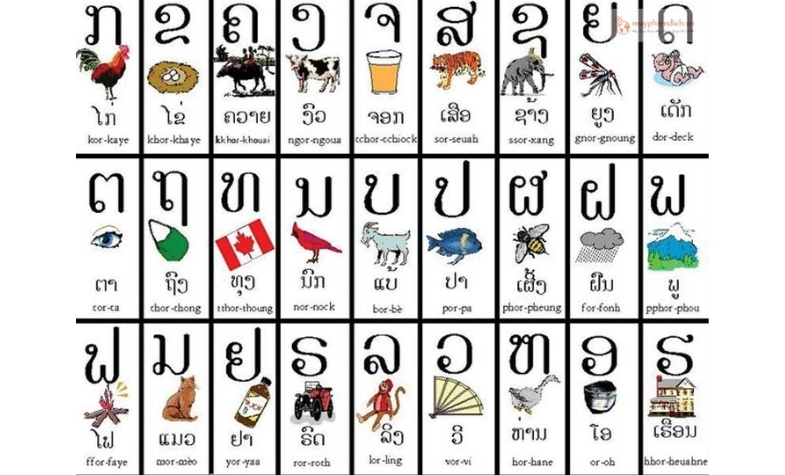
Lao is central to government, education, and daily life, so learning even simple greetings like “sabaidee” (hello) or polite expressions such as “khop chai” (thank you) can help learners start communicating effectively. Listening carefully to the tones and repeating common phrases will gradually improve pronunciation and make it easier to pick up more complex vocabulary.
Dialects and Writing System
The Lao language has several regional dialects, each with distinct pronunciation and vocabulary. The Vientiane dialect is considered standard and forms the basis of the national script.
Other dialects include:
-
Northeastern Xieng Khouang dialect
-
Northern Luang Prabang dialect influenced by royal courts
-
Southern Champassak dialect with slower speech patterns
-
Central Khammouane dialect that bridges northern and southern variations
Lao uses its own syllabic script, derived from ancient Tai writing. Each consonant has an inherent vowel, with additional vowels indicated by diacritics placed around consonants. A French-based Latin transliteration system exists, but it is inconsistent, especially for vowels and tones. Beginners will find it helpful to start with the Vientiane dialect and practice reading and writing simple words, such as ສະບາຍດີ (sabaidee) for “hello,” listening to native speakers to match the correct tones. Gradual practice helps internalize both the script and tonal pronunciation naturally.
Speakers and Usage in Laos
Approximately 52% of the population speak Lao as their first language, 15% speak other Tai – Kadai languages, and the remaining 33% belong to over 90 ethnic groups, each with their own mother tongue. This diversity makes Laos linguistically rich and culturally vibrant.
French and Vietnamese remain in use due to historical influence, while English has become more important in tourism, business, and education since Laos joined ASEAN. For learners or travelers, engaging in simple conversations, listening to local media, and practicing short exchanges can make interactions smoother and improve comprehension. Over time, familiarizing yourself with commonly used expressions and tones will allow a deeper understanding of Lao culture, social norms, and traditions.
The Lao language is more than just a tool for communication - it opens a window into the country’s culture, history, and everyday life. By engaging with its dialects, practicing the script in context, and gradually using everyday phrases, learners and travelers can connect more meaningfully with the people of Laos and experience the country beyond the surface level.
Our tours you may like:
***
Travel Authentic Asia Company is your best choice for discovering the beauty of Southeast Asia. Our experienced and knowledgeable travel advisors are committed to helping you create a tailor-made tour and extraordinary experiences in this majestic region.
If you're looking for an authentic cultural experience, do not hesitate to contact Travel Authentic Asia to choose a Vietnam tour, Southeast Asia tour package or to customize your own style tour to South East Asia.

.jpg)
.jpg)





 Travel Authentic Asia - All rights reserved