Thailand Money Matters: Tips and Tricks for Expats on a Budget
When traveling to Thailand, it’s important to understand the local currency. The official currency is the Thai Baht (THB), which is commonly used for everything from shopping and dining to transportation. So, where can you exchange money to get the best rates? Is it more convenient to use cash or cards? Let’s explore how to manage your finances wisely for a smooth trip to Thailand!
What's the currency in Thailand?
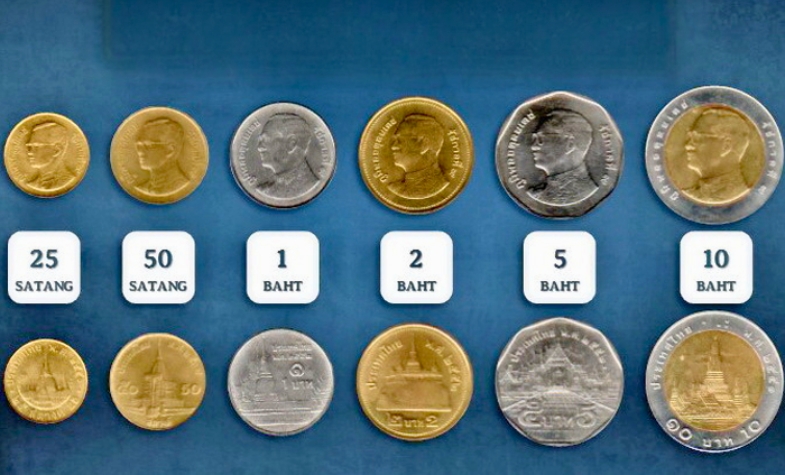
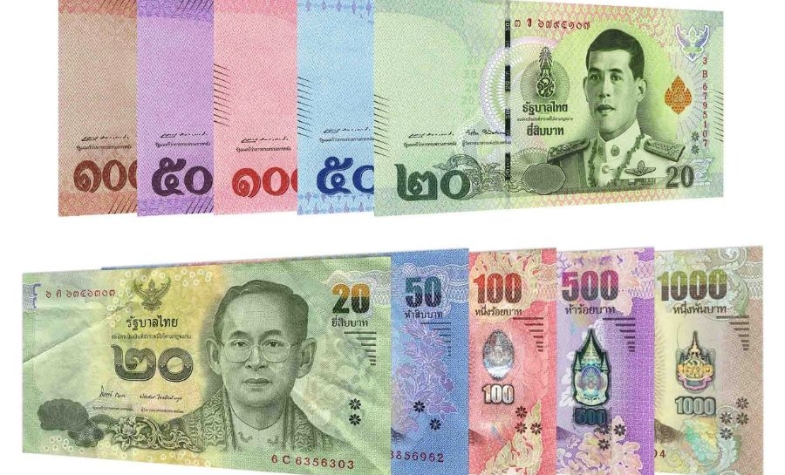
Thailand's official currency is the Thai Baht (THB), which is divided into 100 satang. The currency system includes both coins and banknotes in various denominations. Coins are available in 25 satang, 50 satang, 1 baht, 2 baht, 5 baht, and 10 baht, and are often used for public transportation or small purchases. Banknotes are more commonly used, with denominations of 20 baht, 50 baht, 100 baht, 500 baht and 1,000 baht, each featuring a distinct color for easy recognition. When visiting Thailand, it is a good idea to carry some cash, as many traditional markets and street food vendors still prefer baht over credit cards.
Tips for identifying genuine Thai currency
-
Check the paper quality and texture: Real Thai banknotes are printed on high-quality cotton paper, which is durable and slightly rough. Counterfeit notes often feel thinner, smoother, or unusually soft, and wrinkle easily.
-
Look for the watermark: Hold the note up to the light to see a clear, detailed portrait of the King. Fake notes may have blurry, indistinct, or missing watermarks.
-
Check the color-shifting ink: Tilt the note to see if the denomination numbers change color. Counterfeit notes often lack this effect or show uneven color changes.
-
Feel the raised print: Genuine banknotes have raised elements, such as denomination numbers, Thai text, and the King's image. Fake notes usually feel flat or have smudged printing.
-
Examine the security thread and UV features: Real banknotes include a security thread and fluorescent ink that glows under UV light. Counterfeit notes may lack these features or display them incorrectly.
-
Exchange money safely: Avoid exchanging money with individuals or unlicensed booths. Use banks or reputable exchange services like SuperRich or Vasu Exchange to reduce the risk of receiving counterfeit notes.
Should I use cash or card in Thailand?
Cash is essential when traveling in Thailand, especially at traditional markets, street food stalls, or when using public transportation like tuk-tuks and buses. Many small shops and local cafes prefer baht over cards. For convenience, exchange money at reputable currency exchange booths or withdraw cash from ATMs. Carry small denominations (20, 50, and 100 baht) for easy payments when shopping or using services.
Credit and debit cards are useful for payments at shopping malls, upscale restaurants, hotels, and major tourist attractions. Popular cards like Visa, Mastercard, and American Express are widely accepted. Some stores may charge a 2 – 3% transaction fee, so it’s best to check beforehand. For cash withdrawals, use ATMs at major banks such as Bangkok Bank or Krungthai Bank for better exchange rates.
Where can I exchange cash in Thailand?
-
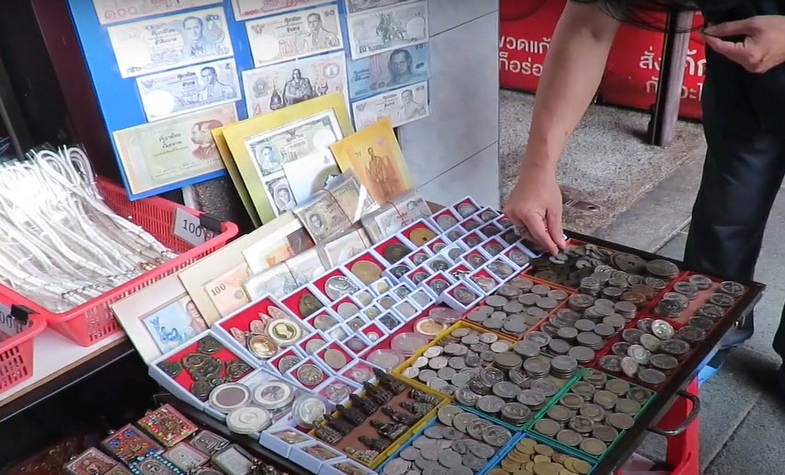
International Airports: Currency exchange booths are available at airports like Suvarnabhumi and Don Mueang, but exchange rates are usually lower than elsewhere.
-
Banks & Official Exchange Counters: Major banks such as Bangkok Bank, Krungthai Bank, and SCB offer safe and reliable exchange services at good rates.
-
Shopping Malls: Large shopping malls like MBK, Terminal 21, and CentralWorld have exchange counters with competitive rates.
-
Reputable Private Exchange Booths: Well-known chains such as SuperRich, Vasu Exchange, and SIA Money Exchange often provide better rates than banks.
Safety tips for your belongings when visiting Thailand
-
Use anti-theft bags and wear them properly: Carry crossbody bags, slash-proof backpacks, or money belts. Always wear your bag in front, and avoid wearing it loosely on your back, especially in markets or crowded areas.
-
Don't carry too much cash: Carry only enough cash for the day and keep the rest in your hotel safe. You can also hide money in multiple locations to minimize loss if pickpocketed.
-
Be careful when taking taxis, tuk-tuks, and public transportation: Use Grab or Bolt to avoid overcharging. When using buses or the BTS, keep your wallet and phone secure, and stay vigilant.

-
Check the hotel door locks and use the safe: When checking in, ensure doors, windows, and safes work properly. Never leave money or passports on tables or beds, and always lock the door when leaving.
-
Protect your phone and expensive devices: Avoid leaving your phone unattended in cafes or restaurants. Use a phone lanyard or hold it securely in crowded areas.
-
Be careful of tourist scams: Avoid strangers offering cheap tours or favorable money exchange rates. Never lend your phone or help strangers hold their belongings to prevent being tricked.
Understanding the Thai Baht and how to manage your finances while traveling will make your trip to Thailand smoother and more cost-effective. Carrying a reasonable amount of cash, combined with using credit cards where accepted, will give you flexibility in spending. At the same time, knowing how to identify genuine currency, choosing reputable exchange locations, and taking safety precautions for your personal belongings will minimize unnecessary risks. With these tips and strategies, you can fully enjoy Thailand’s culture, cuisine, and experiences without worrying about money matters!
Our tours you may like:
***
Travel Authentic Asia Company is your best choice for discovering the beauty of Southeast Asia. Our experienced and knowledgeable travel advisors are committed to helping you create a tailor-made tour and extraordinary experiences in this majestic region.
If you're looking for an authentic cultural experience, do not hesitate to contact Travel Authentic Asia to choose a Vietnam tour, Southeast Asia tour package or to customize your own style tour to South East Asia.

.jpg)
.jpg)




 Travel Authentic Asia - All rights reserved